Black blood donors are urgently needed in the UK right now. This isn’t a slogan or a seasonal push. It’s a structural, ongoing gap in the blood supply that directly affects patient survival, particularly for people living with sickle cell disease and other rare blood conditions.
According to NHS Blood and Transplant, fewer than 2% of active blood donors in England are Black, yet Black patients are around 10 times more likely to need regular blood transfusions. This imbalance is not theoretical. It shows up in hospital delays, cancelled procedures, and preventable complications.
Why Black blood donors matter so much comes down to blood matching. People with sickle cell disease often require repeated transfusions across their lifetime. To reduce the risk of dangerous immune reactions, they need blood that is closely matched beyond the basic ABO and Rh groups. These rare blood subtypes are far more common in people of African and Caribbean heritage. When the donor pool does not reflect the patient population, matching becomes harder and outcomes worsen.
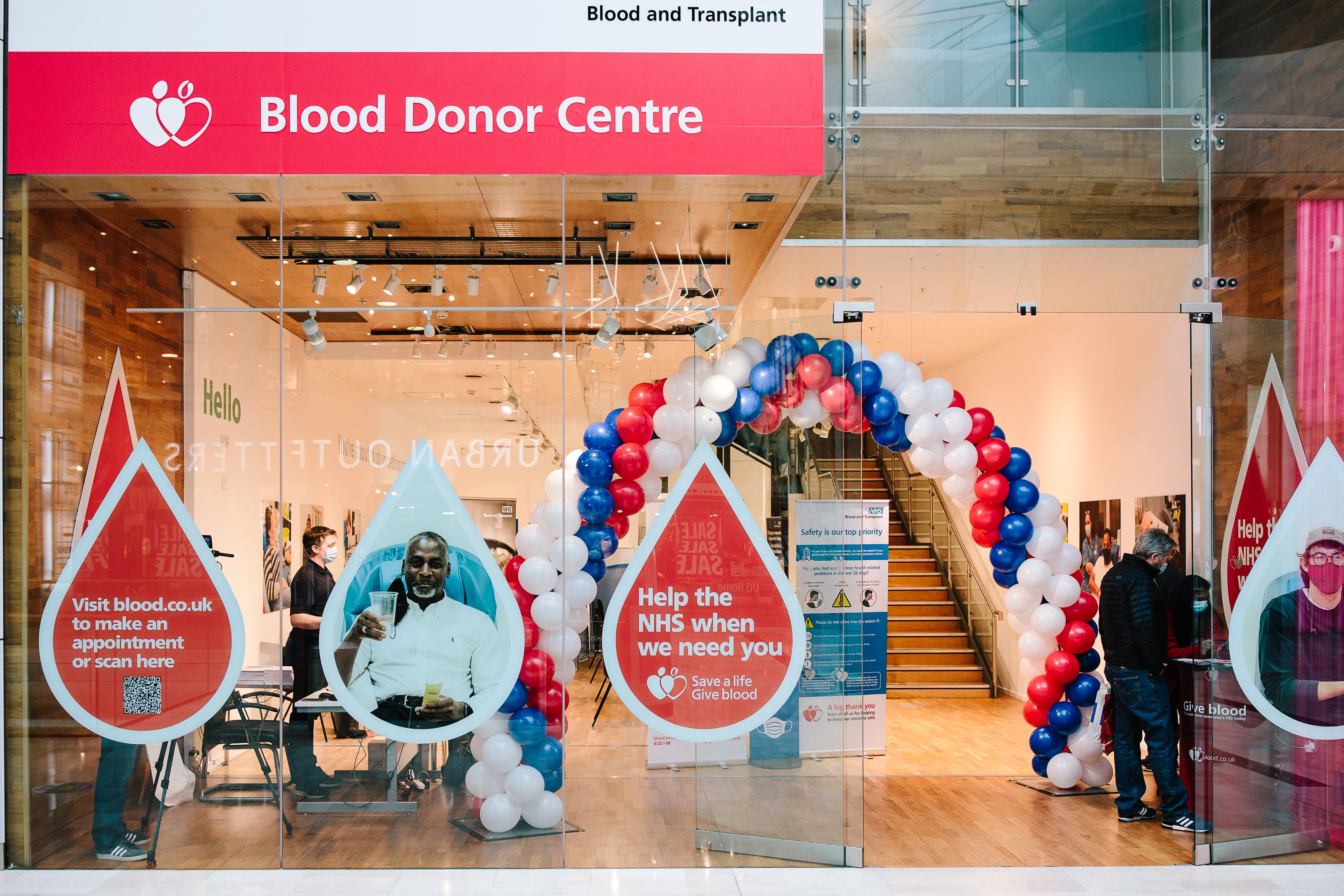
The official Give Blood service is clear on this point: increasing Black donors saves lives. It improves transfusion safety, reduces complications, and gives clinicians more flexibility to treat patients quickly and effectively. Blood cannot be manufactured. It can only come from people who choose to donate.
So why are Black donors underrepresented? The reasons are layered. There is historic mistrust of medical systems, a lack of targeted information, myths around eligibility, and simply not seeing blood donation reflected in Black-led spaces or narratives. Many people are willing to help but are not reached in ways that feel relevant, respectful, or culturally grounded.
This is where Cells of a Generation CIC (COAG) comes in.
COAG works at the intersection of lived experience, storytelling, and public health advocacy. Founded by someone living with sickle cell disease, the organisation approaches blood donation not as a faceless campaign, but as a human system that needs trust, visibility, and community leadership to function properly.
One of COAG’s core projects, The Lifeline Conversations, uses documentary-style storytelling and social media to demystify blood donation and show its real-world impact. Instead of abstract appeals, it centres the voices of patients, donors, clinicians, and families. The aim is simple: make the need visible, relatable, and urgent without fear-based messaging.
COAG has also partnered with NHS Blood and Transplant for several years to support awareness campaigns, community engagement, and education around sickle cell and blood donation. This includes workshops, public talks, digital content, and collaborations with workplaces and cultural organisations to bring donation conversations into everyday spaces.
Right now, the need is critical. Blood stocks fluctuate constantly, and rare blood types are often in shortest supply. If you are Black and eligible to donate, your blood is especially valuable. One donation can save or improve up to three lives. For someone with sickle cell disease, it can mean fewer hospital stays, less pain, and a longer, healthier life.
If you’ve ever wondered how to help in a tangible way, this is it. Registering through Give Blood, booking an appointment, and encouraging others to do the same is not just a personal choice. It’s a collective intervention.
COAG will continue to push this work forward through media, education, and partnerships, but the system only works when people step in. Blood donation is not charity. It is infrastructure. And right now, that infrastructure needs Black donors more than ever.